
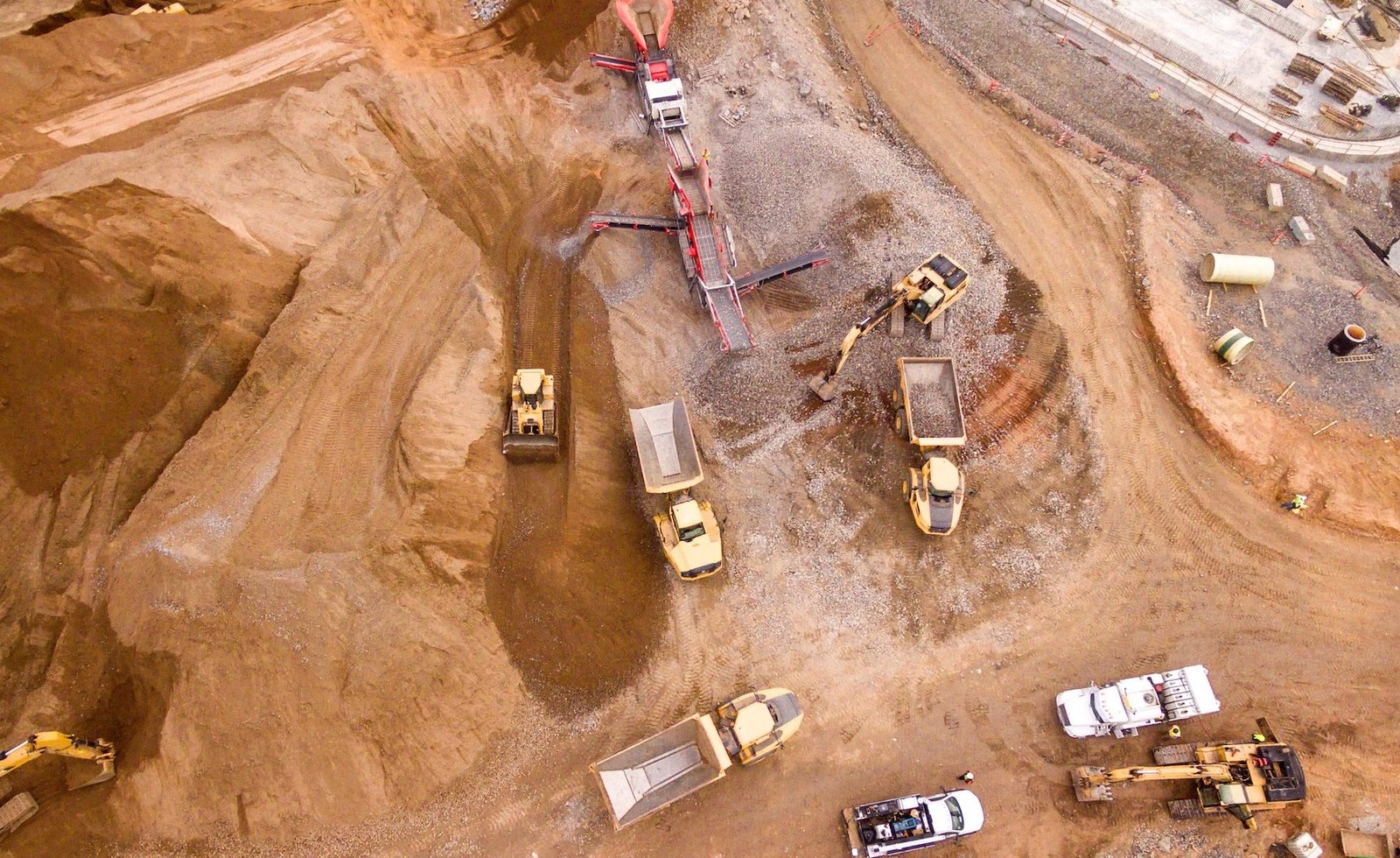
Innovations in construction equipment: What to expect in 2023

construction equipment

Construction equipment is an essential part of the construction industry. It is used in a variety of applications, including earthmoving, material handling, and construction. The construction equipment market is expected to reach $273.7 billion by 2023, at a CAGR of 4.2%.

There are a number of factors that are driving the growth of the construction equipment market, such as the increasing construction activities around the world, the need for faster project completion, and the growing demand for energy-efficient and environment-friendly equipment. In addition, the increasing adoption of technology in the construction industry is also fueling the market growth.

Some of the major innovations in construction equipment that are expected in the next few years include electric excavators, 3D-printed homes, and autonomous construction vehicles. To learn more about these innovations and what to expect in the construction equipment market in 2023, read on!

Electric construction equipment: A major development that is expected to take place in the construction equipment market in the next few years is the growing use of electric equipment. Electric construction equipment has become increasingly popular in recent years, as it not only reduces emissions but also saves costs in terms of oil and maintenance. Furthermore, electric equipment is also much quieter and more efficient than traditional fuel-powered equipment. The growing adoption of electric equipment is also fueled by the increasing availability of charging infrastructure and government initiatives to promote renewable energy. A number of companies are investing in the development of electric construction equipment, such as electric excavators and compact wheel loaders. In the next few years, we can expect to see more electric construction equipment being used for industrial and commercial applications.

Autonomous construction equipment: Autonomous construction equipment is another major trend that is expected to take off in the next few years. Autonomous construction equipment is already being used in a number of other industries, such as mining and agriculture. Autonomous construction equipment can take on jobs that are too dangerous or tedious for humans, such as hazardous waste removal and demolition work. It can also help streamline processes and save time, as it does not require human operators. Autonomous construction equipment is equipped with sensors, GPS navigation systems, and artificial intelligence (AI) software, which allows it to operate independently. In the near future, we can expect to see more autonomous construction equipment being used in a variety of applications, such as roadwork, bridge construction, and other civil projects.

3D-printed homes: 3D-printed construction is another emerging trend that is expected to revolutionize the construction industry in the next few years. 3D-printed homes are being built using special 3D-printing machines, which lay down layer after layer of material until they form a three-dimensional structure. 3D-printed homes have numerous benefits over traditional methods, such as increased accuracy, faster construction times, and lower costs. In addition, 3D-printed homes can be printed off-site and then transported to the construction site, eliminating the need for on-site labour. A number of companies are already investing in 3D printing technology for construction projects, and in the years to come, we can expect to see more 3D-printed homes being constructed.

2023 is expected to be an exciting year for the construction equipment industry, with a number of significant innovations taking place. Autonomous construction equipment, electric construction equipment, and 3D-printed homes are all expected to revolutionize the industry and make the construction process faster and more efficient.

Construction Industry 4.0: How Artificial Intelligence Will Revolutionize The Way We Build

ai

Construction Industry 4.0: How Artificial Intelligence Will Revolutionize The Way We Build

The construction industry is one of the oldest and most important industries in the world. It is an industry that is constantly evolving, adopting new technologies and methods to increase efficiency and productivity.

In recent years, there has been a lot of talk about the construction industry 4.0 – a new era of construction that is being driven by digitalization and artificial intelligence (AI).

There is no doubt that AI will have a significant impact on the construction industry in the years to come. From project management to construction site safety, AI is set to revolutionize the way we build.

In this article, we will take a look at how AI is already changing the construction industry and what the future holds for this rapidly evolving field.

The Construction Industry is on the Cusp of a Major Revolution:
The traditional methods of construction have been used for centuries, and relatively little has changed in that time, aside from some advances in technology. However, the construction industry is now on the cusp of a major revolution, thanks to the introduction of digitalization and artificial intelligence (AI).

In recent years, we have seen the emergence of ‘Industry 4.0’ – an approach to manufacturing and construction that utilizes the latest digital technologies to increase efficiency and productivity. Industry 4.0 focuses on a combination of data collection, data processing, machine learning, automation and analytics, all supported by AI.

Construction 4.0 and the Rise of Artificial Intelligence:

The construction industry is now entering its own version of Industry 4.0 – Construction 4.0. This term is used to describe the process of digitalizing the construction industry through the use of artificial intelligence and new technologies. AI has become increasingly important in the construction industry due to its potential to reduce costs, boost productivity, improve safety and increase efficiency. AI can be used in a variety of ways, from analyzing data to tracking and managing projects. It can also be used to automate processes, such as scheduling and resource management. AI can also be used for predictive analytics, which can be used to anticipate potential problems and take proactive steps to address them. This can result in substantial cost savings and improved safety on construction sites.

How AI Will Change the Construction Industry:

The introduction of artificial intelligence into the construction industry will have a significant impact on the way we build. For example, AI can automate mundane tasks, freeing up workers to focus on more complex tasks. AI can also be used to improve project management and streamline communication between teams. AI technology can also be used to improve safety on construction sites. AI-powered robots and autonomous vehicles can be used to carry out dangerous tasks, such as dismantling buildings or performing hazardous tasks. This can result in fewer accidents and improved safety on construction sites.

The Benefits of AI in Construction:

There are numerous benefits to using artificial intelligence in the construction industry. AI can be used to improve communication between teams and to streamline operations. AI can also be used to automate mundane tasks, freeing up workers to focus on more complex activities. AI can also be used for predictive analytics, which can help to anticipate potential problems and take proactive steps to address them. This can result in significant cost savings and improved safety on construction sites. The Challenges of AI in Construction: Despite the numerous benefits of AI in construction, there are some challenges that must be addressed. For example, some AI technologies, such as machine learning, require a large amount of data to be effective. This can be challenging for construction businesses that do not have the resources to collect and store the data. Another challenge is the cost. AI technologies can be expensive to implement and may not be cost-effective for small businesses. Finally, there is the risk of disruption. AI technologies can change the way we work, potentially eliminating or reducing some jobs in the construction industry.

The Future of Construction with AI:

Despite the challenges, the future of the construction industry looks bright with AI. We are already beginning to see AI technologies being used in the industry, from automated scheduling to project monitoring. As AI technologies continue to evolve, they will become even more important in the construction industry. We can expect to see increased automation, improved project management, better predictive analytics and improved safety on construction sites. AI has the potential to revolutionize the way we build and the construction industry is on the cusp of a major revolution. We are already seeing the beginnings of this revolution, and it is only going to get more exciting in the years to come!