

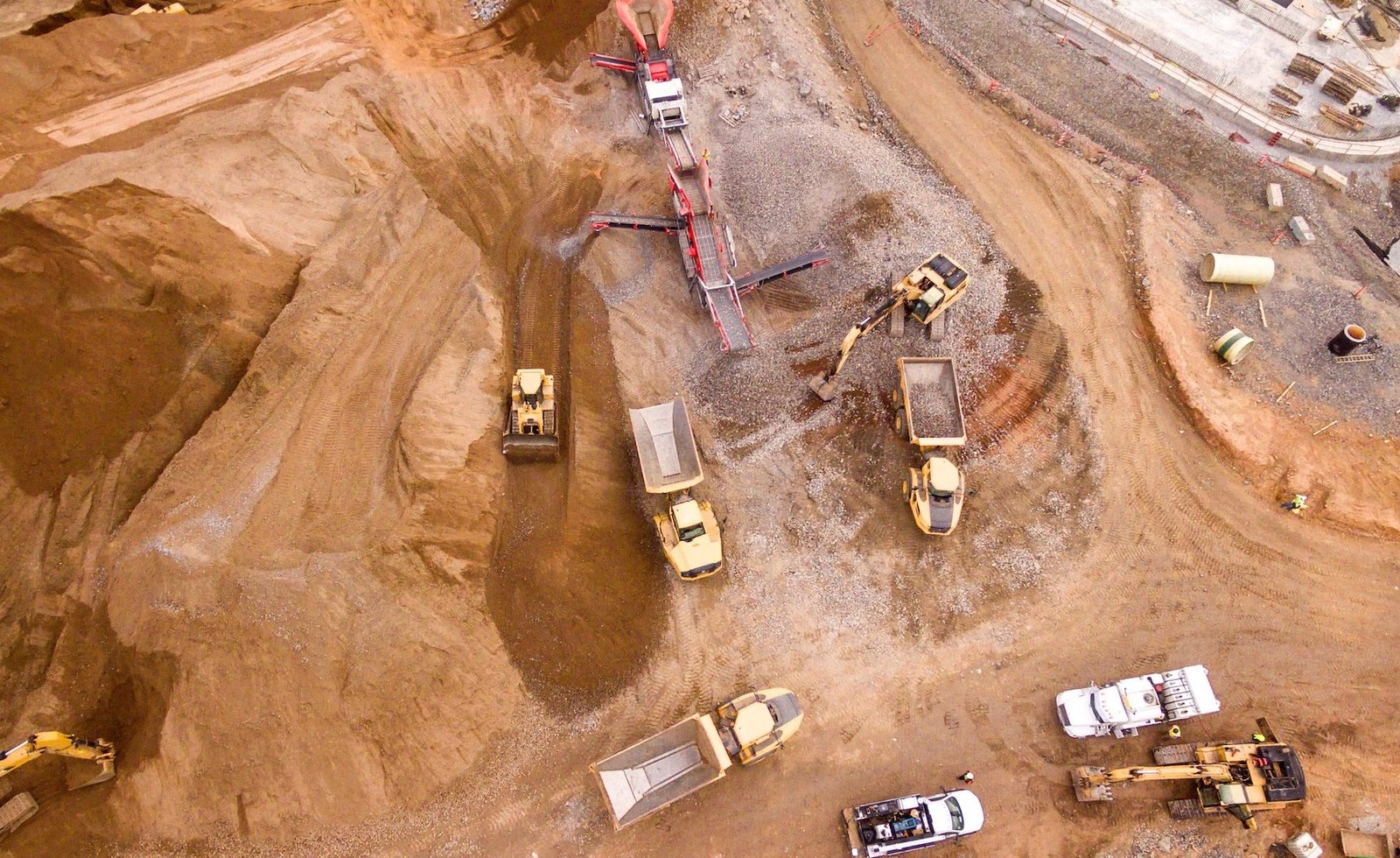
Construction equipment is an essential part of the construction industry. It is used in a variety of applications, including earthmoving, material handling, and construction. The construction equipment market is expected to reach $273.7 billion by 2023, at a CAGR of 4.2%.
There are a number of factors that are driving the growth of the construction equipment market, such as the increasing construction activities around the world, the need for faster project completion, and the growing demand for energy-efficient and environment-friendly equipment. In addition, the increasing adoption of technology in the construction industry is also fueling the market growth.
Some of the major innovations in construction equipment that are expected in the next few years include electric excavators, 3D-printed homes, and autonomous construction vehicles. To learn more about these innovations and what to expect in the construction equipment market in 2023, read on!
Electric construction equipment: A major development that is expected to take place in the construction equipment market in the next few years is the growing use of electric equipment. Electric construction equipment has become increasingly popular in recent years, as it not only reduces emissions but also saves costs in terms of oil and maintenance. Furthermore, electric equipment is also much quieter and more efficient than traditional fuel-powered equipment. The growing adoption of electric equipment is also fueled by the increasing availability of charging infrastructure and government initiatives to promote renewable energy. A number of companies are investing in the development of electric construction equipment, such as electric excavators and compact wheel loaders. In the next few years, we can expect to see more electric construction equipment being used for industrial and commercial applications.
Autonomous construction equipment: Autonomous construction equipment is another major trend that is expected to take off in the next few years. Autonomous construction equipment is already being used in a number of other industries, such as mining and agriculture. Autonomous construction equipment can take on jobs that are too dangerous or tedious for humans, such as hazardous waste removal and demolition work. It can also help streamline processes and save time, as it does not require human operators. Autonomous construction equipment is equipped with sensors, GPS navigation systems, and artificial intelligence (AI) software, which allows it to operate independently. In the near future, we can expect to see more autonomous construction equipment being used in a variety of applications, such as roadwork, bridge construction, and other civil projects.
3D-printed homes: 3D-printed construction is another emerging trend that is expected to revolutionize the construction industry in the next few years. 3D-printed homes are being built using special 3D-printing machines, which lay down layer after layer of material until they form a three-dimensional structure. 3D-printed homes have numerous benefits over traditional methods, such as increased accuracy, faster construction times, and lower costs. In addition, 3D-printed homes can be printed off-site and then transported to the construction site, eliminating the need for on-site labour. A number of companies are already investing in 3D printing technology for construction projects, and in the years to come, we can expect to see more 3D-printed homes being constructed.
2023 is expected to be an exciting year for the construction equipment industry, with a number of significant innovations taking place. Autonomous construction equipment, electric construction equipment, and 3D-printed homes are all expected to revolutionize the industry and make the construction process faster and more efficient.